 Paws & Notes
How to Prepare for a Vet Visit: A Practical Checklist
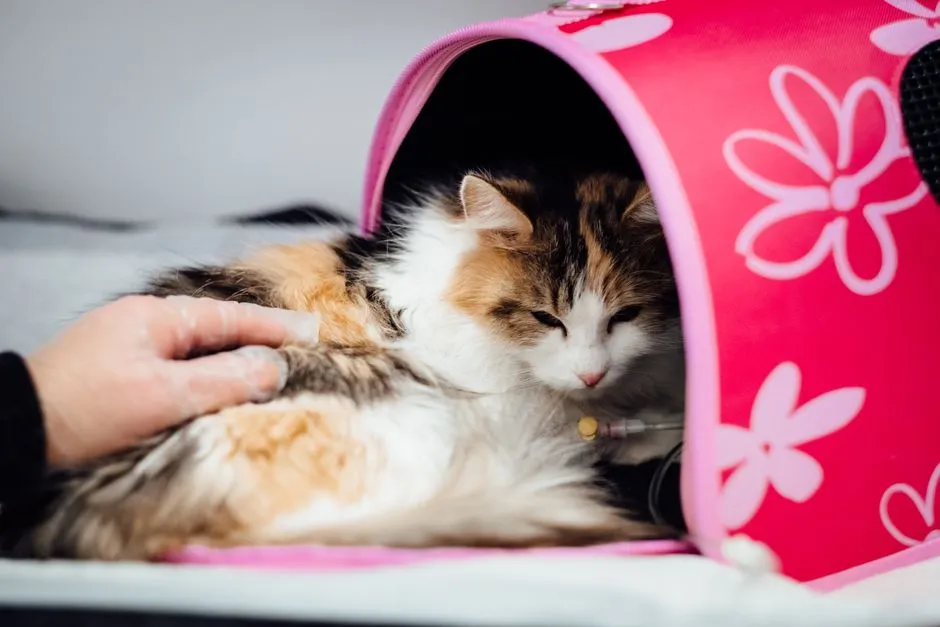
Confirm the plan, gather records, and transport safely
To prepare for a vet visit, confirm the time and clinic instructions, write a concise timeline of the concern, list every medication and supplement, gather relevant records, and prepare secure species-appropriate transport. Ask the clinic beforehand about fasting, samples, medication timing, and arrival procedure; do not invent your own version of those instructions.
This checklist supports a conversation with a veterinarian. It does not decide whether a pet can wait. For urgent signs, contact an emergency veterinary service rather than finishing the paperwork.
Call before the appointment when anything is unclear
Tell the clinic why the pet is coming and whether behavior, mobility, contagious illness, or handling may affect the visit. Ask which entrance or waiting arrangement to use and whether photos, video, stool, urine, packaging, or prior records would be helpful.
Do not withhold food, water, or prescribed medicine unless the veterinary team gives instructions for this pet and procedure. Puppies, kittens, small animals, pets with medical conditions, and pets taking medication may have different needs.
More planning guides live in vet visit prep.
Bring a one-page history
Write down:
- when the change began and whether it was sudden or gradual;
- what has changed in appetite, drinking, urination, stool, sleep, movement, breathing, or behavior;
- how often it happens and how long an episode lasts;
- current food, treats, medications, supplements, preventives, and recent changes;
- known allergies or previous reactions;
- possible access to toxins, foreign objects, plants, human medicines, or unusual food;
- your three most important questions.
Bring medication containers or clear label photos rather than relying on “the little white tablet.” Never give an extra dose to demonstrate a response.
A dated pet symptom log can compress several days into useful evidence. The home-observations section explains how to record without diagnosing.
Use photos and video carefully
A short video can show a cough, limp, tremor, unusual movement, or intermittent behavior that does not occur in the exam room. Record only when doing so is safe; never provoke a symptom, delay urgent care, or place yourself near a frightened or painful animal’s mouth.
Note the date, time, duration, and what happened immediately before and after. A dramatic clip without context is vivid, but context is what gives it a job.
Prepare secure transport
Use a sound carrier, leash, harness, or other restraint appropriate to the species and the clinic’s guidance. Check closures before leaving. Keep pets separated when conflict is possible, control temperature, and never leave an animal unattended in a parked vehicle.
For cats and small pets, leave a familiar carrier available before the visit when practical and avoid chasing at departure time. For dogs, use secure restraint from vehicle to clinic. Tell staff before arrival if the pet has a bite history, severe fear, pain, or escape risk; honest warning helps everyone plan humane handling.
Know when the checklist stops
Contact an emergency veterinary service immediately for breathing difficulty, collapse or unresponsiveness, uncontrolled bleeding, severe trauma, suspected poisoning, or active or repeated seizures. This list is not exhaustive; when a pet is deteriorating or you are unsure, call a veterinarian for triage guidance.
Do not induce vomiting or give human or animal medication unless a veterinarian or animal poison-control professional specifically directs it. Bring suspected product packaging safely if instructed.
At the visit, share the timeline first, then the questions. Take notes, repeat instructions back, and ask what changes should trigger a recheck or emergency call. Leave knowing the medication schedule, follow-up plan, and best contact route. The pet may not appreciate this administrative triumph, but future you probably will.
Frequently asked questions
What records should I bring to a vet appointment?
Bring available vaccination and medical records, laboratory or imaging reports, discharge instructions, medication labels, allergy or reaction history, and contact details for other treating practices. For a new clinic, ask which records it needs in advance. Keep copies for yourself, but let practices transfer complete records when requested because a summary photo may omit useful detail.
Should I feed my pet before a vet visit?
Ask the clinic. Food instructions depend on the pet, age, condition, medication, planned testing, and possible sedation or procedure. Do not assume every appointment requires fasting, and do not withhold water or prescribed medicine unless instructed. If the pet ate despite instructions, tell the team honestly so it can adjust the plan safely.
Can I bring a video of my pet’s symptoms?
Yes, a short dated video can help when a symptom is intermittent, provided recording is safe. Never provoke an episode, delay urgent care, or put yourself near a painful or frightened animal’s mouth. Note what happened before and after, how long it lasted, and whether the clip shows a typical event. Ask the clinic how to send it securely.
How can I make a vet visit less stressful?
Ask the clinic about low-stress arrival and handling options before the visit. Use secure familiar transport, avoid last-minute chasing, and bring treats only when permitted. Tell staff about fear, pain, escape risk, or bite history. A veterinarian may recommend an individualized pre-visit plan; do not give calming products or medication without professional direction.
What should I ask before leaving the vet?
Confirm what the veterinarian thinks is known and uncertain, the medication dose and schedule, food or activity instructions, expected changes, follow-up timing, test-result process, and signs that require a recheck or emergency call. Ask whom to contact after hours. Repeat instructions back and request written directions when possible, especially when several people share care.